


Advancements in 904L metallurgy, CNC micro-milling, and independent movement calibration are narrowing the gap between traditional horology and accessible precision timepieces.
HONG KONG / GLOBAL — November 20, 2026 — The global mechanical watch industry is undergoing a structural transformation driven by rapid advancements in micro-manufacturing technologies, high-grade metallurgy, and direct-to-consumer digital platforms. As demand for intricate mechanical timepieces continues to expand across North America, Europe, and the Asia-Pacific region, specialized manufacturing hubs and online horological platforms such as Noob Factories are highlighting how modern engineering precision is redefining quality benchmarks in accessible luxury watchmaking.
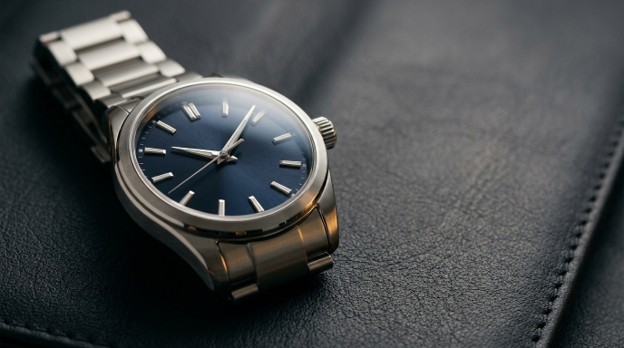
For decades, the production of complex mechanical watches—featuring automatic tourbillons, multi-register chronographs, and high-frequency calibres—was restricted by high tooling costs and fragmented supply chains. However, recent breakthroughs in five-axis computer numerical control (CNC) machining, laser-guided component finishing, and automated quality control have democratized access to high-tolerance watchmaking components.
The Shift Toward Aerospace-Grade Materials and Micro-Tolerances
At the core of this manufacturing evolution is the widespread adoption of corrosion-resistant alloys and synthetic materials previously reserved for high-end aerospace and medical applications. Watchmakers and independent assembly workshops are increasingly utilizing 904L stainless steel, Grade 5 titanium, and high-tech zirconium oxide ceramics to achieve superior durability, scratch resistance, and luster.
According to industry analysts tracking precision horology supply chains, tolerances within modern movement assembly have tightened to micron-level accuracy. Components such as balance wheels, escapement forks, and sapphire crystals with double-sided anti-reflective coatings are now produced with optical inspection systems that detect structural deviations invisible to the human eye.
“Modern mechanical watch enthusiasts are far more technically educated than they were a decade ago,” noted a senior horological consultant familiar with Asian and European supply chains. “Buyers today scrutinize case brushing transitions, rehaut alignment, bezel click mechanics, and amplitude stability on timegraphers. Meeting those expectations requires genuine investment in industrial metallurgy and skilled watchmaker assembly.”
Calibre Innovation and Movement Reliability
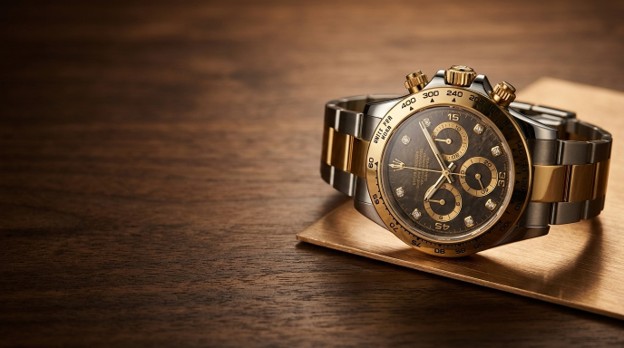
Beyond exterior aesthetics, movement architecture remains the decisive factor for long-term collector satisfaction. Contemporary manufacturing facilities have moved away from generic, unmodified base calibres toward custom-engineered automatic movements designed for stability, power reserve efficiency, and ease of servicing.
Key technical developments gaining traction in 2026 include:
- Integrated Chronograph Architecture: Moving beyond modular add-ons to true column-wheel and vertical clutch mechanisms that ensure crisp pusher actuation and slim case profiles.
- Enhanced Power Reserves: Optimized mainspring barrel geometry and low-friction synthetic ruby bearings extending running times from standard 38-hour cycles to 70 hours and beyond.
- Frequency Stability and Shock Protection: Improved hairspring metallurgy and shock-absorbing balance settings that maintain daily chronometric variance within tight, predictable parameters.
Platforms dedicated to showcasing high-precision mechanical craftsmanship have observed a marked shift in consumer preferences toward timepieces that combine classic horological proportions with modern mechanical resilience. Rather than treating watches merely as seasonal fashion accessories, buyers increasingly view well-engineered mechanical pieces as functional instruments built for daily wear.
Digital Transparency and the Direct-to-Collector Ecosystem
Equally transformative is the evolution of how precision timepieces reach international buyers. Traditional multi-tiered distribution networks often introduced significant markups while obscuring manufacturing origins and technical specifications. In contrast, modern digital storefronts emphasize pre-shipment transparency, detailed macro-photography, and verified technical testing.
Before international dispatch, reputable online horological platforms now routinely provide prospective buyers with individual quality-control documentation—including timegrapher amplitude readings, beat-error diagnostics, waterproof pressure test results, and high-resolution inspections of dial printing and luminescence application.
This direct-to-collector framework accomplishes two critical objectives:
- Eliminating Information Asymmetry: Collectors can verify exact case dimensions, lug-to-lug measurements, bracelet clasp tolerances, and movement finishing before completing a transaction.
- Accelerating Iterative Craftsmanship: Direct feedback loops between global enthusiasts and manufacturing engineers allow workshops to refine bezel insert hues, crystal clarity, and bracelet articulation within months rather than years.
“Collectors today are not just buying a timepiece; they are investing in mechanical precision and peace of mind,” said Marcus Vance, Lead Horological Specialist at Noob Factories. “By sharing individual timegrapher diagnostics, waterproof test results, and macro inspection visuals prior to dispatch, we ensure that every enthusiast knows the exact mechanical standard of the watch arriving on their wrist.”
Sustainability and Longevity in Mechanical Horology
As consumer sentiment continues to pivot away from disposable electronics toward durable, repairable goods, mechanical watches occupy a unique position in the personal luxury and accessories market. Unlike smartwatches that face software obsolescence within a few years, a properly constructed mechanical calibre crafted from hardened steel and sapphire glass can operate reliably for decades with routine lubrication and maintenance.
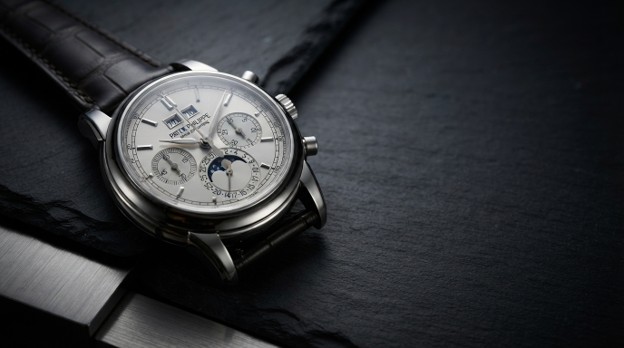
Industry observers expect the convergence of precision CNC tooling, transparent digital retail, and enthusiast-driven quality standards to sustain strong momentum heading into 2027. By prioritizing structural integrity, authentic material grades, and rigorous pre-delivery inspection, specialized horological platforms continue to set new expectations for craftsmanship in the global watchmaking sector.
About Noob Factories
Noob Factories is an online horological platform specializing in precision-engineered mechanical timepieces crafted with high-grade materials, including 904L stainless steel, scratch-resistant sapphire crystals, and meticulously calibrated automatic movements. Focused on structural accuracy, rigorous quality-control inspection, and global collector service, the platform connects watch enthusiasts worldwide with finely crafted mechanical horology.
Media Contact:
Company Name: Noob Factories
Official Webstie: https://noobfactories.net
Email: 87008144@qq.com